The Superconducting Transistors Company
Building the world's first quantum motherboard
We’re building the ultra-low-power cold electronics that make practical quantum computing possible, starting with superconducting transistor multiplexers designed to accelerate quantum-chip characterization.
.webp)
The problem
QPU electronics must go cold, and ultra-low-power
A quantum processing unit (QPU) lives at the bottom of a dilution refrigerator, close to absolute zero. Almost everything that controls and reads a QPU lives outside: racks of room-temperature electronics, connected to each qubit through its own coaxial line running the full height of the cryostat.
That architecture is why a machine with a few hundred qubits can already cost €10–20 million in wiring, control electronics, and cooling infrastructure, and why every roadmap toward fault-tolerant quantum computers runs into the same wall: you cannot cable a million qubits to the outside world one line at a time. The electronics must move inside the cryostat, next to the qubits.
The problem is heat. The coldest stage of a dilution refrigerator, where the QPU sits, can absorb only microwatts of power. Conventional transistors dissipate far too much to operate there, and superconducting digital logic dissipates very little but lacks the electrical tunability and reconfigurability of a transistor. Neither is a scalable building block for the cold electronics that large-scale QPUs need.
What has been missing until now is a device that combines the two: the electrical control of a transistor with the near-zero power dissipation of a superconductor. A superconducting transistor.
First module of the quantum motherboard
Starting with the wiring bottleneck
Our first products, scheduled for 2027, are low-loss, ultra-low-power superconducting transistor multiplexers that switch many devices onto a few measurement lines in real time, directly at the millikelvin stage.
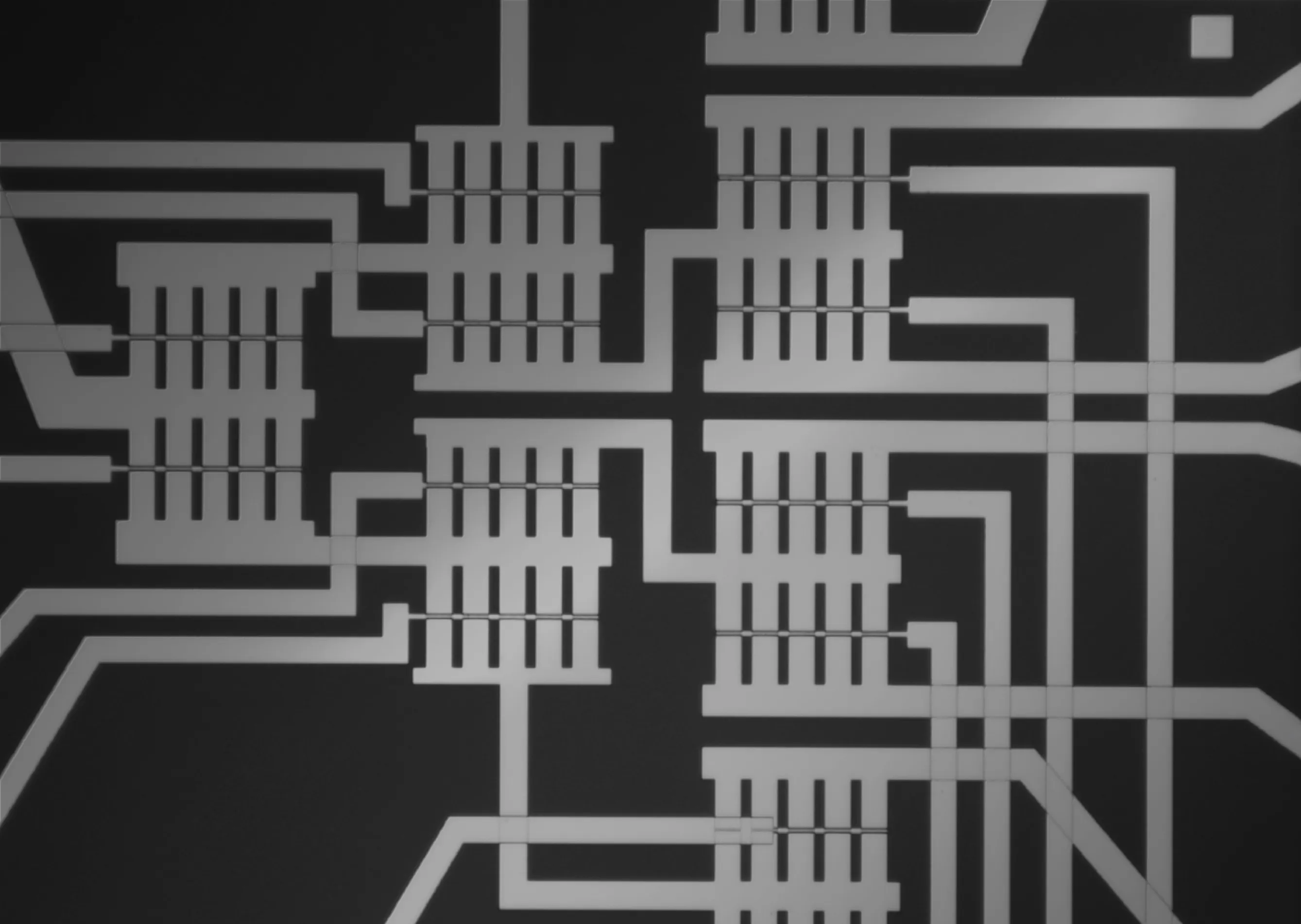
For quantum hardware teams, that pays off today. Every dilution refrigerator has a fixed number of lines, and every cooldown is slow and expensive, so the number of qubits, test structures, and cryogenic devices you can characterize per cycle is set by the wiring, not by the devices. A multiplexer changes that ratio:
Characterize more devices per cooldown
Turn a handful of measurement lines into many channels
Reach validated designs faster
Fits existing cryostats and wiring
The core innovation
The next transistor era
The last time electronics hit a scaling wall, the answer was not to add more vacuum tubes. A new device was invented, the transistor, and it made modern computing possible.
The superconducting transistor is that kind of new device for the practical quantum computing era. It combines the near-zero power dissipation of a superconductor with the electrical gate control of a transistor, so it operates natively at millikelvin temperature, next to the QPU, with an energy efficiency and performance that neither semiconductor nor superconducting electronics can reach on their own.
Our superconducting transistor platform is built for scale.
001
World’s first wafer-scale superconducting transistors, on a production-ready 150 mm pilot line
002
More than 98% superconducting transistor yield
003
Patent-pending fabrication process and device architecture
004
First multiplexer products in development
.webp)
Timeline
From transistor to circuit. What's in our pipeline.
Today
Superconducting multiplexers for scalable characterization
Next
Integrated cryogenic routing, control, and readout
Vision
The world’s first quantum motherboard
expertise
Peer-reviewed publications
Our team publishes its research in peer-reviewed journals and conference proceedings, sharing the science behind superconducting transistors and cryogenic quantum-computing hardware with the broader community.
Who's building it
Built by experts in scalable manufacturing, cryogenic electronics, and quantum hardware
S-Transistors was founded by scientists and engineers from VTT Technical Research Centre of Finland, with 50 years of combined experience in the field.
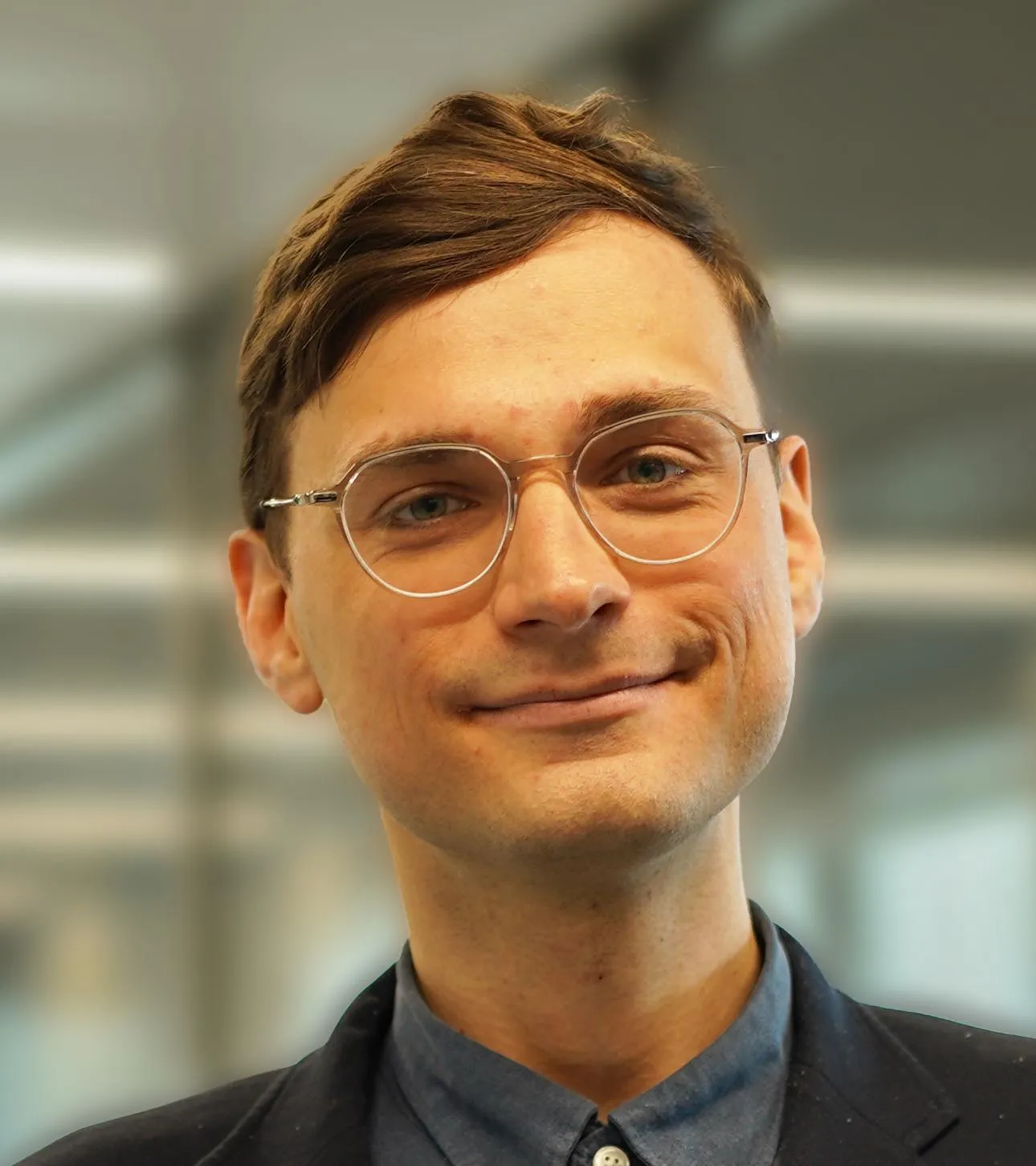
Dr. Heorhii Bohuslavskyi
CEO & Co-founder
12 y in cryogenic electronics and quantum hardware; first-hand personal experience of quantum customer problems
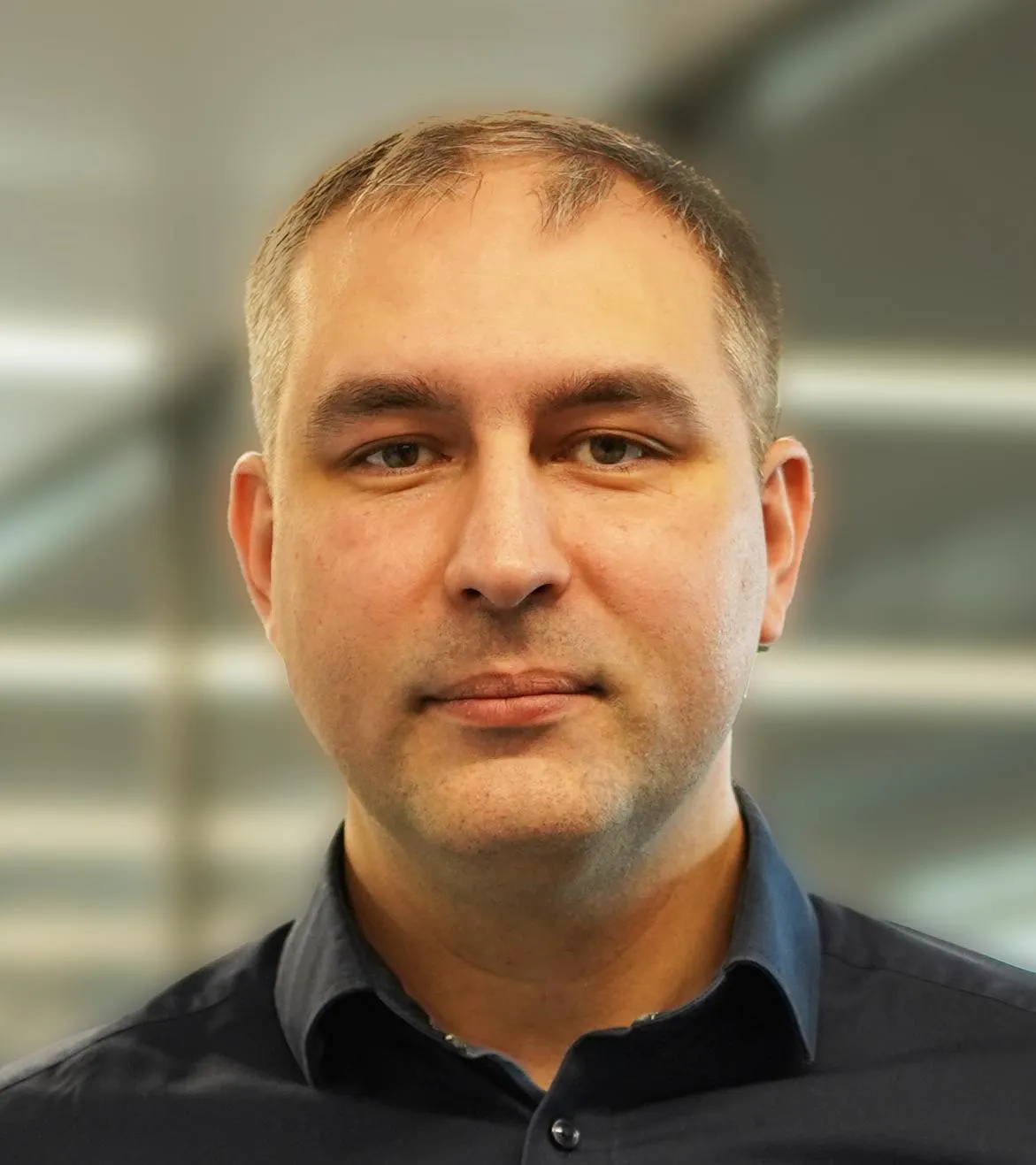
Dr. Andrey Generalov
CTO & Co-founder
15 y in advanced manufacturing, transistors, and superconducting integrated circuits; Experienced project manager and tech lead
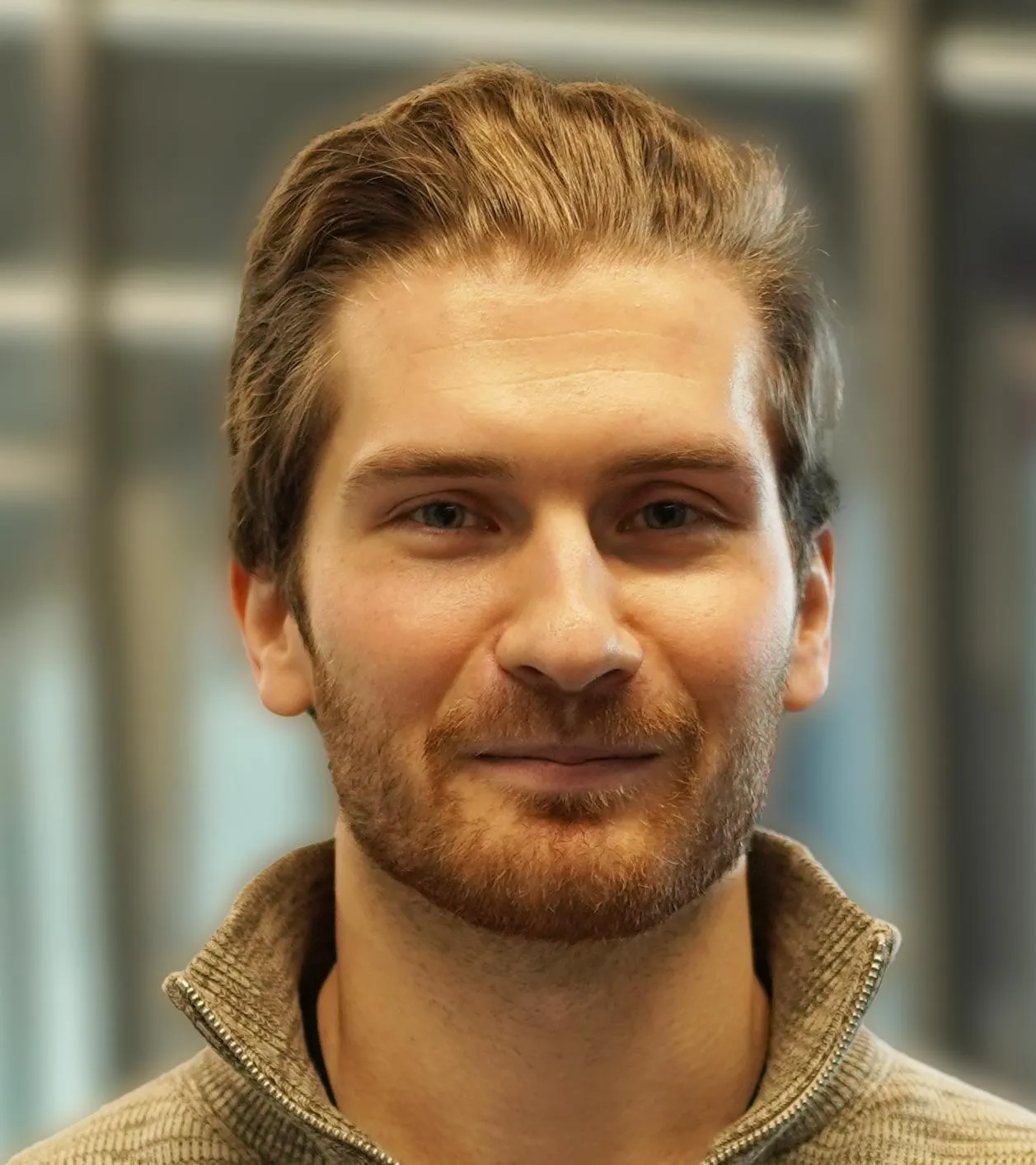
Markus Lehtisalo, MSc
Founding Engineer
5 y in layout design, cleanroom fabrication, and testing of semiconductor and superconducting transistors

Dr. Joel Hätinen
Senior Engineer
6 y of experience in cryogenic electronics, low-temperature experiments, and condensed matter physics

Elina Haustola
Process Engineer
12 y of experience in process development, leading a fabrication team, and cleanroom manufacturing
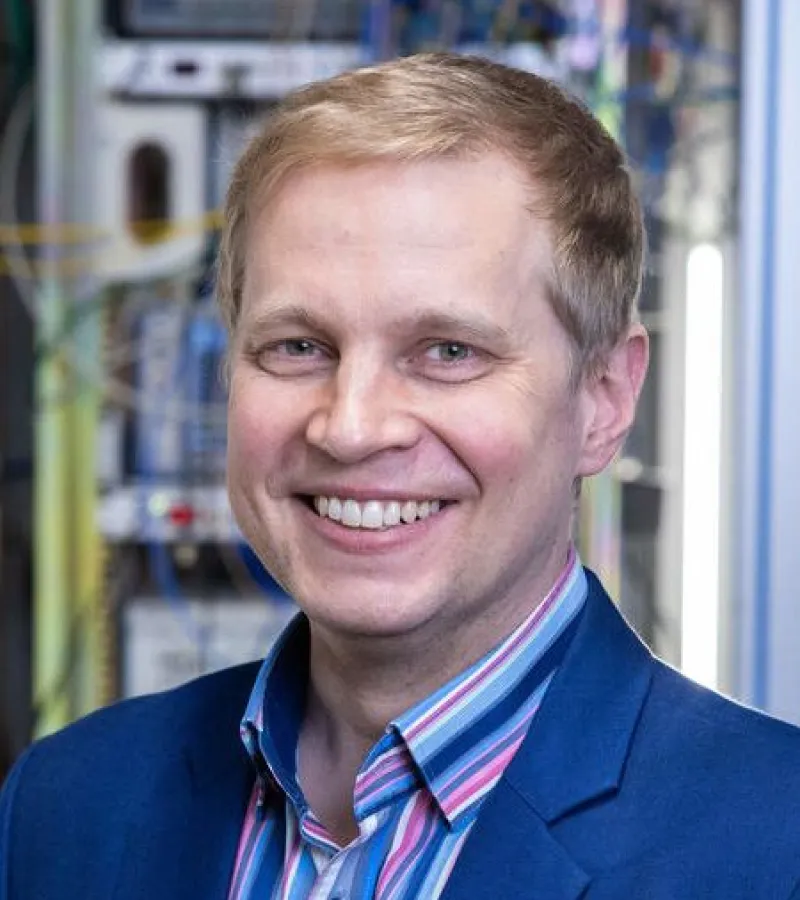
Prof. Mikko Möttönen
Founding Advisor
Professor at Aalto University; founder of IQM Quantum Computers and QMILL
Backed by
The next transistor era, and who's building it


In Media
What others write about us


Get involved
Tell us what you need from cryogenic signal routing
We are discussing early pilots with customers and partners now, ahead of the first superconducting multiplexer release in 2027. Tell us about your setup and the specifications you need, and we will get back to you.